


Introduction
Technology continues to reshape everyday life at a remarkable pace. Smartphones have become powerful computing devices, cloud services allow people to work from almost anywhere, and artificial intelligence is becoming part of applications used for communication, research, productivity, and entertainment. At the same time, cybersecurity, privacy, automation, connected devices, and digital payments are creating new areas of interest for users who want to understand how technology is changing around them.
For readers exploring TonzTech Com, the latest technology landscape provides many subjects worth understanding. Technology trends are not simply about new products appearing in the market. They also involve changes in how people use digital services, how businesses operate, how information is managed, and how individuals interact with intelligent software. Understanding these developments can help users separate practical innovations from short-lived hype.
The current technology environment is also becoming more interconnected. Artificial intelligence can operate through cloud infrastructure, smart devices can communicate through connected networks, and cybersecurity systems protect increasingly complex digital ecosystems. This interconnected nature means that learning about one technology often provides useful background for understanding several others.
Understanding the Latest Technology Landscape
The modern technology landscape is made up of several rapidly developing areas. Artificial intelligence, cloud computing, automation, cybersecurity, smart devices, digital payments, data technologies, and immersive applications are influencing both consumers and organizations. Some developments are already widely used, while others are still evolving and may take time to reach broader adoption.
TonzTech Com can be viewed within this broader technology information environment, where users can explore different developments and consider their practical significance. A useful way to understand technology trends is to look beyond announcements and ask how a development changes everyday experiences. For example, an AI feature becomes more meaningful when users understand whether it saves time, improves accessibility, supports research, or introduces new privacy considerations.
Technology trends should also be considered in context. A new feature may appear impressive but have limited value for someone whose existing tools already solve the same problem. Similarly, an emerging technology may have significant long-term potential while still having limitations today. This distinction helps readers develop a more realistic understanding of technological change.
Artificial Intelligence and Intelligent Digital Tools
Artificial intelligence remains one of the most influential areas of current technology development. AI systems can process large quantities of information, recognize patterns, generate text and images, assist with software development, summarize material, and support a wide range of business and consumer applications. AI is increasingly being integrated into search, office software, customer service, smartphones, creative platforms, and educational tools.
The growing availability of AI means users need more than a basic understanding of what the technology can do. They also need to understand that AI-generated results may require human review. Accuracy can vary depending on the system, task, and available information. For people researching TonzTech Com, AI is therefore best approached through practical use cases and responsible evaluation rather than treating every AI feature as automatically reliable.
One example is workplace productivity. An AI assistant may help organize information or create an initial draft, allowing a person to spend more time reviewing and improving the result. In education, AI tools can provide explanations or practice material, but learners still benefit from independent thinking and verification. These examples demonstrate how AI can support people without completely replacing human judgment.
Smart Devices and Connected Technology
Smart technology has expanded beyond smartphones and computers. Wearable devices, smart televisions, home appliances, connected security systems, vehicles, and other products can now communicate through digital networks. These technologies are part of a wider connected ecosystem in which devices can collect information, respond to commands, and exchange data.
The convenience of connected technology is one reason it continues attracting attention. A smart home system, for example, can allow users to control lighting or monitor devices from a mobile application. Wearable technology can provide information about activity and other measurements. Connected workplace equipment can help organizations monitor systems and automate routine processes.
However, connected devices also create questions about security and privacy. Every network-connected device can become part of a larger digital environment, so users should consider software updates, account protection, permissions, and data handling before adopting new products. This makes responsible technology awareness just as important as discovering new features.
Cloud Computing and Flexible Digital Services
Cloud computing has changed the way information and software are delivered. Instead of keeping everything on one physical computer, users can access files, applications, storage, and services through internet-connected platforms. Businesses use cloud infrastructure for collaboration, data management, software delivery, remote work, and scalable computing.
For individual users, cloud services can make everyday tasks more convenient. Photos can be synchronized between devices, documents can be edited from different locations, and important files can be stored online. Businesses can use cloud collaboration to support employees working from different offices or locations.
When exploring TonzTech Com and other technology resources, cloud computing is an important trend to understand because it supports many other technologies. AI applications, streaming services, online productivity platforms, and connected devices frequently depend on cloud infrastructure. Learning how cloud systems work can therefore provide useful insight into the wider digital ecosystem.
Cybersecurity and the Changing Digital Environment
As digital services expand, cybersecurity becomes increasingly important. Individuals now manage numerous online accounts, while businesses store significant amounts of information digitally. This creates opportunities for convenience but also increases the importance of protecting accounts, devices, networks, and data.
Cybersecurity is no longer only a concern for technical professionals. Everyday users can benefit from understanding basic security practices such as using unique passwords, enabling multi-factor authentication, applying software updates, and being cautious about unexpected messages or downloads. These simple habits can help reduce common digital risks.
Technology information should therefore discuss security alongside innovation. A new application may offer useful functionality, but users should also consider how accounts are protected and what information the service requires. For anyone following TonzTech Com, cybersecurity provides an important example of why technology trends need to be understood from both an opportunity and risk perspective.
Automation and the Future of Digital Work
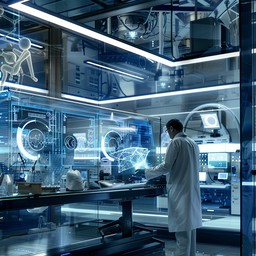
Automation is another major technology trend affecting businesses and individuals. Software can now perform many repetitive activities, including organizing information, processing routine requests, generating reports, scheduling tasks, and monitoring systems. When used appropriately, automation can reduce repetitive workloads and allow people to focus on activities requiring creativity, communication, and decision-making.
The development of automation does not necessarily mean every task can or should be performed without human involvement. Many processes still require judgment, context, quality control, and accountability. Organizations therefore need to consider where automation provides genuine value and where human oversight remains necessary.
For example, an online business might automate routine customer notifications while keeping complex customer issues with human representatives. A professional could automate repetitive data organization but personally review important conclusions. These examples show that effective automation often works alongside people rather than operating completely independently.
Key Technology Trends Modern Users Should Watch
The technology landscape is broad, but several areas are particularly relevant to everyday digital experiences.
- Artificial intelligence: Intelligent assistants, content tools, automation, and AI-powered applications.
- Cloud computing: Online storage, collaboration platforms, hosted applications, and scalable infrastructure.
- Connected technology: Smart homes, wearable devices, connected vehicles, and Internet of Things systems.
- Cybersecurity: Account protection, threat detection, privacy, authentication, and secure digital practices.
- Automation: Workflow management, repetitive task processing, business operations, and productivity improvements.
These areas are closely connected rather than completely separate. AI often relies on cloud infrastructure, connected devices require cybersecurity protection, and automation can incorporate intelligent software. Understanding the relationships between these technologies provides a stronger foundation than studying each trend in isolation.
How Digital Trends Affect Everyday Users
Technology trends matter because they influence ordinary activities. People may use AI when searching for information, cloud services when storing photographs, connected devices when managing their homes, and automated systems when interacting with businesses. These technologies can make tasks faster and more convenient, but they can also change how people think about privacy, security, and digital dependence.
A useful approach is to focus on practical impact. Instead of asking only whether a technology is new, users can ask what problem it solves and whether the benefits justify the cost or complexity. This approach helps people make technology choices based on their actual needs rather than popularity alone.
TonzTech Com can be explored from this practical perspective. Technology information becomes more valuable when it explains how trends connect to real experiences. A reader researching a new application, for example, may want to know not only its features but also its compatibility, privacy practices, security requirements, and learning curve.
Evaluating New Technology Before Adopting It
The rapid development of digital products means users have more choices than ever. However, more options can make decision-making difficult. Before adopting a new application, device, or service, users should consider whether it addresses a genuine requirement and whether it works effectively within their existing digital environment.
| Evaluation Area | Key Question | Practical Benefit |
|---|---|---|
| Purpose | What problem does the technology solve? | Prevents unnecessary adoption |
| Features | Which functions are actually useful? | Helps identify practical value |
| Security | How are accounts and data protected? | Reduces avoidable risks |
| Privacy | What information is collected? | Supports informed choices |
| Compatibility | Does it work with existing tools? | Avoids technical conflicts |
This evaluation process is useful when reading about TonzTech Com or any other technology-related source. Readers can compare claims with current information and consider whether a particular innovation matches their circumstances. A technology can be impressive without being necessary for every user.
Digital Privacy in an Era of Increasing Connectivity
Privacy is becoming more closely connected to technology decisions. Applications, websites, connected devices, and digital services may process different types of information to provide their features. Users therefore benefit from understanding what information they provide and what controls may be available.
Privacy considerations can be especially important when using connected products or AI-powered services. Users should avoid sharing sensitive information unnecessarily and should review settings where appropriate. Businesses also need policies and procedures for managing digital information responsibly.
The increasing importance of privacy means technology literacy should include more than learning how to operate devices. Users need to understand the relationship between convenience, data collection, security, and personal control. This broader perspective can make digital participation safer and more informed.
The Growing Importance of Digital Skills
As technology changes, digital skills are becoming an ongoing learning process. Users do not need to become specialists in artificial intelligence or cloud infrastructure, but basic knowledge can make everyday technology easier to understand. Skills such as account security, online research, file management, software selection, and privacy awareness are increasingly useful.
Learning can happen gradually. A person might begin by understanding password security, then explore cloud storage, followed by productivity applications and AI tools. Each new skill can build on previous knowledge and make more advanced technology concepts easier to understand.
For readers following TonzTech Com, this learning approach provides a useful framework for exploring current trends. Instead of trying to understand every new technology simultaneously, users can focus on developments most relevant to their work, education, hobbies, or personal digital needs.
Future Directions in Technology
Technology will continue to evolve as artificial intelligence, automation, cloud infrastructure, connected devices, and cybersecurity systems become more integrated. Future digital services may become increasingly personalized and capable of responding to individual requirements. At the same time, questions about privacy, reliability, security, accessibility, and responsible use will remain important.
Some technologies currently receiving attention may become mainstream, while others may change significantly before reaching widespread adoption. Users should therefore distinguish between existing capabilities and predictions about the future. This is particularly important when reading technology news or promotional material that may emphasize possibilities rather than current performance.
The broader subject covered by TonzTech Com can be understood through this changing environment. Staying informed does not require following every technology announcement. Instead, users can focus on understanding major developments and considering how those developments may affect their own digital experiences.
Practical Habits for Following Tech Trends
Keeping up with technology does not mean constantly checking every new product announcement. A focused approach can help users stay informed without becoming overwhelmed.
- Follow major technology categories relevant to your needs.
- Check publication dates when reading technology information.
- Compare important claims with reliable sources.
- Test new tools carefully before depending on them.
- Review security and privacy settings regularly.
These habits can help readers develop stronger technology awareness while avoiding unnecessary information overload. The goal is not to adopt every trend but to understand which developments are relevant and how they can be used responsibly.
Frequently Asked Questions
What are the major technology trends today?
Major technology areas include artificial intelligence, cloud computing, cybersecurity, automation, connected devices, digital productivity, and data-driven services. These technologies are increasingly integrated into consumer products, workplaces, educational tools, and online platforms.
Why should users follow technology trends?
Understanding technology trends can help users recognize useful tools, adapt to changes, improve digital skills, and make informed decisions. It can also help people identify security and privacy considerations before adopting unfamiliar services.
How can beginners keep up with new technology?
Beginners can start with topics they encounter in everyday life and learn through clear explanations, practical examples, tutorials, and reliable documentation. Focusing on one subject at a time makes continuous learning more manageable.
Is artificial intelligence useful for everyday users?
AI can assist with many activities, including research, writing, organization, automation, and information processing. Its usefulness depends on the specific application, and users should review important outputs rather than assuming that every AI-generated result is correct.
What should I check before using a new digital service?
Users should consider the service’s purpose, features, security, privacy practices, compatibility, cost, and ease of use. Checking current information and comparing multiple sources can also help identify potential limitations.
How will technology change in the future?
Future technology will likely involve greater integration between AI, cloud computing, automation, connected devices, and digital services. The exact direction is difficult to predict, so users should distinguish established developments from speculation about future possibilities.
Conclusion
The latest technology trends are influencing nearly every part of modern digital life. Artificial intelligence is changing software and information tools, cloud computing is supporting flexible access to services, connected devices are expanding digital ecosystems, and automation is helping organizations handle repetitive processes. At the same time, cybersecurity and privacy remain essential considerations as more activities move online.
Exploring TonzTech Com within this broader technology landscape can help frame important questions about innovation, digital tools, and emerging trends. The most useful approach is not to follow every new development automatically but to understand how a technology works, what problem it addresses, what limitations it may have, and how securely it can be used.
Technology will continue changing, making digital learning an ongoing process rather than a one-time activity. Users who remain curious, evaluate information carefully, protect their accounts, and develop practical digital skills can adapt more effectively to new tools and services. By understanding today’s major technology trends while maintaining a critical and responsible approach, modern users can make better use of the opportunities created by an increasingly connected digital world.